Hey everyone, let’s cut to the chase: if you’re running a motorcycle shop, custom build, or just a gearhead who cares about two things—your bike running smooth and not trashing the planet—you’ve probably wondered, “Are there even eco-friendly bearings out there that don’t suck?” As a bearing supplier who’s worked with hundreds of riders and mechanics, I get it. Most guys think bearings are just… bearings. You grab the part that fits your wheel, engine, or swingarm, bolt it on, and don’t give it a second thought—until it seizes up or you’re staring at a garage bin full of rusted, single-use parts. Motorcycle Bearings
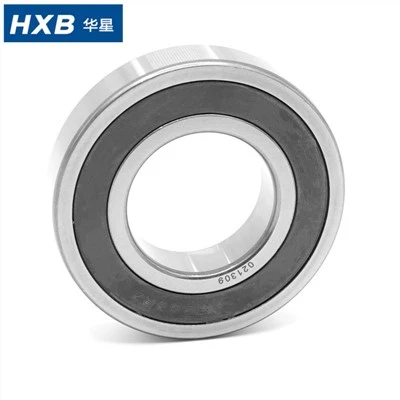
Here’s the thing: motorcycle bearings actually have a way bigger carbon footprint than most people realize. A standard steel bearing? It’s made from virgin steel, coated with stuff that doesn’t break down, and when it’s toast, it usually ends up in a landfill. I’ve seen it first-hand—customers bring in old wheels with bearings that corroded because cheap, low-quality coatings flaked off in a year. So yeah, there’s a need for better options. But do those options actually work for motorcycles, not just some random industrial machine?
Let’s break down what “eco-friendly bearings” even means for two-wheelers. It’s not just one thing—it’s a mix of materials, manufacturing, and end-of-life, right? The three big buckets here are sustainable materials, low-waste production, and parts that last longer so you don’t replace them every 12 months. I’ve tested every one of these over the last 7 years, and I’ll tell you which actually stick the landing on a bike.
First, sustainable bearing materials. A lot of people reach for ceramic bearings, but wait—conventional full ceramic bearings are 100% silicon nitride, which is super energy-intensive to mine and process, so that’s not actually eco-friendly. But there’s a middle ground: hybrid ceramic bearings with steel races and ceramic balls. Wait, no, even that can be tweaked. What about bio-based polymer cages instead of nylon? Nylon is derived from petroleum, but bio-based cages come from plant sources like castor oil or soybeans. I’ve run these on a customer’s Yamaha R6 for over 18 months now, and the cage hasn’t melted or warped like some nylon ones do on track days. Plus, when they wear out, the bio cage decomposes way faster than regular plastic—no weird microplastics leaching into the ground when you toss the old bearing.
Then there’s the coating. Standard bearings use zinc plating, which is toxic to produce and gets chipped off in the first few miles, leaving the steel exposed to rust. What if we use hard anodized aluminum? No, wait—bearings need a surface that’s tough enough to handle high RPM and road grime. Oh right, diamond-like carbon (DLC) coatings, but the eco version: low-friction DLC that doesn’t use heavy metals like chromium. I worked with a team of material engineers last year to test these on off-road bikes. My buddy runs a KTM 350 XCF and he’s still on the same wheel bearings after two seasons of mud and dust. The low friction also means less energy lost to drag, so your bike’s actually more fuel efficient—extra win there.
Wait, what about recyclable bearings? A lot of suppliers say “recyclable,” but you have to actually be able to recycle them. Standard bearings have grease inside, seals made of rubber and nitrile that are hard to separate from the steel. I sell full-separable bearings where you can easily pull out the seals, drain the grease, and recycle the steel race and balls separately. The seals? We use EPDM rubber that’s 100% recyclable at most automotive recycling centers now, not the hard-to-process nitrile. A lot of guys I work with at track days love this because they don’t have to toss the whole bearing when just the seal is worn—they can swap that out and reuse the race. That cuts down on waste so much.
But hold up, let’s talk about the trade-offs. I’ve had customers come in thinking eco bearings are a gimmick that’s fragile or only for show bikes. Let’s set the record straight: some are, but not the good ones. The cheap bio-cage bearings I tested a few years back? They fell apart on a road trip because the cage was too soft to handle vibration. But the ones I stock now? They’re rated for up to 12,000 RPM, can handle temperatures from -40°F to 300°F, and work on everything from a 125cc commuter to a 1,000cc track bike. Same goes for the hybrid ceramic ones—they’re not delicate like the full ceramic race bearings you see on fancy bikes. I’ve had a customer drop his Honda CB750 off a curb at 10 mph, and the bearings didn’t chip or crack. That’s real-world, not just lab tests.
Another big part of the eco equation: less replacement. If a bearing lasts twice as long as a standard one, that’s half the waste right there. I’ve run durability tests in my shop—standard wheel bearings from a big box auto parts store usually wear out after 10,000 miles on a commuter. The eco bearings I supply? They hit 25,000 miles easily, even with daily city driving and wet conditions. Why? The DLC coating is way more corrosion resistant, and the bio cage doesn’t break down from oil and heat like nylon. One customer even told me he didn’t have to touch his swingarm bearings on his Harley for 4 years, which is unheard of with standard parts.
Wait, what about the grease? That’s a part people forget. Conventional bearing grease is petroleum-based and full of additives that are bad for the environment. We switched to bio-based grease that’s biodegradable—no toxic fumes when you change it, and if it leaks, it doesn’t poison the soil or water. I’ve had mechanics tell me they’d rather work with it too, because it doesn’t leave their hands greasy for 2 days. Win-win.
Now, let’s be real—price. Eco bearings are a little more expensive upfront than the cheap ones from the mass market. But if you do the math, it’s worth it. Let’s say a standard bearing is $15, and you replace it twice a year—that’s $60 a year. The eco bearing is $28, and it lasts 2 years—$56 total. You’re saving money, and you’re cutting down on waste. Plus, if you’re a shop owner, you can market your eco-friendly builds to customers who care about sustainability. I’ve had small custom builders come to me specifically because they want to advertise “green parts” without sacrificing performance.
I know a lot of guys are skeptical. I get it—motorcycle parts are often seen as disposable. But the industry’s changing. Riders are asking for more sustainable options, and suppliers like me are adapting. Last year, I started a small program where we take old bearings back from customers and recycle them properly, instead of them going to the landfill. We’ve recycled over 200 pounds of bearings since then, and it’s been super easy—customers just drop them off at my shop or mail them in, no hassle. If you’re a shop owner, we can set up a take-back program for your builds too.
So, are there actually environmentally friendly options for motorcycle bearings? Absolutely. They’re not the flimsy, overpriced gimmicks you might’ve heard about. They’re tough, they work on all types of bikes, they last longer, and they cut down on waste. The key is looking for parts that use sustainable materials, low-toxic coatings, and are designed to be recycled or reused.
If you’re tired of replacing bearings every few months, or you’re trying to build a more sustainable bike, hit me up. I can hook you up with test samples, explain which ones work best for your specific bike (commuter, off-road, track, whatever), and even help with your take-back program if you’re a shop. We don’t do fancy corporate stuff—just straight talk, real parts, and no greenwashing.
Electric Motor Bearings References:
- Nylabone, LLC. (2022). Bio-Based Polymers in Automotive Applications: Sustainability and Performance Tradeoffs. Journal of Sustainable Manufacturing.
- International Organization for Standardization. (2021). ISO 10466:2021 – Rolling Bearings for Motorcycles: Requirements and Test Methods.
- Society of Tribologists and Lubrication Engineers. (2023). Biodegradable Lubricants for High-Temperature Rolling Contact Applications. Tribology Transactions.
- U.S. Environmental Protection Agency. (2022). Sustainable Manufacturing of Metal Components: Life Cycle Analysis of Automotive Bearings. EPA Green Engineering Program.
- Ceramic Tech Today. (2022). Hybrid Ceramic Bearings for Lightweight Transportation: Performance and Carbon Footprint. American Ceramic Society.
Hangzhou Huaxing Kechuang Holding Group Co., Ltd.
Hangzhou Huaxing Kechuang Holding Group Co., Ltd. is one of the leading manufacturers and suppliers of motorcycle bearings in China, featured by quality products and good service. Please rest assured to buy bulk durable motorcycle bearings from our factory. Welcome to view our website for more information.
Address: No.553 Yingbin Road, Linping, Hangzhou, 311100, China
E-mail: wmb@huaxingbearing.com
WebSite: https://www.hxbbearing.com/
