If you’ve ever stopped to smell a rose at a farmers market, spritzed a citrus cologne that makes people turn their heads on the subway, or lit a candle that smells like warm vanilla and sandalwood, you’ve interacted with a distillation column—even if you didn’t know it. For years, I’ve supplied distillation columns to perfume houses, big niche fragrance brands, and even small ateliers that turn natural oils into the scents we love, and every time I talk to a perfumer, they have this way of lighting up when they explain how their favorite oil comes to life. Let me break this down, no stuffy textbook jargon, just the real deal of how distillation is the unsung backbone of the perfume industry, and why a good column makes all the difference between a mass-produced copycat scent and something that feels like magic. Distillation Column

First, let’s cut to the chase: perfume isn’t just “smelly stuff” people spray. It’s a layered blend of hundreds of compounds, each with a specific purpose. The top notes are the first thing you smell—light, bright, evaporating fast (think citrus zest or green herbs). The middle notes are the heart of the scent, what lingers after the top fades (rose, jasmine, lavender). The base notes are the heavy ones, the backbone that sticks around for hours (vanilla, sandalwood, musk). All of these compounds come from natural sources—flowers, fruits, woods, even roots—or synthetic ones, but getting those pure, concentrated, and well-separated compounds? That’s where distillation columns step in.
Wait, let’s start with the basics of how it works, but keep it simple. Distillation is basically heating a mixture of liquids until they turn to vapor, then cooling that vapor back into a liquid, right? Different compounds boil at different temps, so you can separate them. A distillation column is just a tall, organized tube (or series of tubes) that makes this separation way more precise than just boiling liquid in a pot on the stove. For perfume, this precision is make-or-break.
Take rose oil, one of the most iconic and expensive perfume ingredients. Roses are super delicate—if you just boil them in water (a method called steam distillation, super common for flowers), a lot of the fragile, key scent compounds get destroyed or stay trapped in the plant matter. A good distillation column fixes that. It lets you control the temperature exactly, so you can pull off the lighter, fruity top notes first, then the richer floral middle notes, then the deeper, earthy base notes, all without ruining them. I’ve seen perfumers test a batch of rose oil from a cheap pot distiller vs. a column we supplied, and the column-made oil smelled way more like fresh-picked roses, not that fake, chemical rose you get in dollar-store body spray.
Same goes for citrus oils. Orange, lemon, grapefruit—their top notes are super volatile, meaning they evaporate fast and boil at low temps. If you distill orange peel in a regular pot, you’ll get a bunch of gross, bitter compounds mixed in that make the scent smell harsh. A distillation column can separate those volatile, sweet citrus compounds from the bitter ones, so the end oil is bright, zesty, not like a sour orange peel left in the sun for a week. I had a client last year, a small brand out of Brooklyn that makes citrus perfumes, they used to buy pre-distilled oils from a big supplier, but they complained the scent never lasted right. We sold them a small column, and after they started distilling their own orange oil, they told me their repeat orders tripled—people said the scent smelled “real, like I just squeezed a fresh orange” instead of that fake citrus kick.
Then there’s essential oils from wood, like sandalwood or cedarwood. Those compounds are way heavier, boil at higher temps, and they’re super sensitive to heat. If you use the wrong distillation method, you get a burnt, woody scent that’s all acrid, no soft, creamy sandalwood. A distillation column lets you slowly raise the temperature, so the heavy compounds come off gradually, keeping that rich, smooth base note perfumers love. I worked with a sandalwood farm in Australia a couple years ago, they were selling their wood to big fragrance companies, but they wanted to make their own small-batch perfumes to sell direct. The column we supplied let them distill sandalwood oil in smaller batches, so they could sell their perfumes at farmers markets and online, and they now do 10x the revenue from their perfume line than from selling raw wood. That’s the thing—distillation columns don’t just make existing processes better, they open up whole new business models for perfume brands.
Wait, it’s not just natural oils, either. A lot of synthetic perfume compounds also use distillation, but for different reasons. Synthetic compounds are made in labs, right? And after you make them, you have a mix of unwanted byproducts and the actual scent compound you want. A distillation column purifies that synthetic stuff so it’s 99% pure, no weird leftover chemicals that would make the scent smell off or even irritate skin. Big mass-market perfume brands rely on this too—their scents have to be consistent, batch after batch, so using a column ensures every drop of the same oil is identical, no variation. I have a client that supplies three of the top 10 global perfume brands, they have 12 of our columns in their factory, and they tell me the consistency is why their clients stay—one bad batch of oil can ruin a whole line, and they haven’t had a quality issue in 5 years since switching to our equipment.
Let me also talk about something not everyone mentions: extraction efficiency. Perfume ingredients are expensive, especially natural ones. Jasmine, for example, you need like 10,000 pounds of jasmine flowers to make 1 pound of jasmine absolute, which is one of the most expensive oils in the world. If your distillation column is inefficient, you’re wasting a ton of that flower, losing valuable scent compounds in the process. A good column lets you pull almost every usable compound from the plant, so you get more oil per batch, saving you money. I had a perfumer who was using a old, outdated column that only recovered 60% of the jasmine compounds, and after installing our newer model, they recovered 85%—that extra 25% was like an extra $12,000 in revenue per batch, just from not wasting the flowers. That’s a big deal for small brands, especially, who can’t afford to waste expensive raw materials.
Now, let’s get real—there are different types of distillation columns for different perfume needs, right? Not one size fits all. If you’re a small atelier making 10 bottles of perfume a month, you don’t need a 50-foot industrial column that costs $100k. We make compact, tabletop-style columns for small brands, even lab-scale ones for testing new scents. For a big factory making millions of bottles a year, we have large, automated columns that can run 24/7, produce thousands of pounds of oil a month. We also do customized ones—last year, a brand wanted a column specifically for extracting lavender that let them keep more of the sweet floral notes instead of the herbaceous ones, so we adjusted the temperature controls and tray design in the column to fit their needs. That’s what I love about this job—every client is different, every scent is different, so we don’t sell a generic column, we build one that works for their specific product.
Wait, also, let’s touch on a common myth: some people think perfume is all about “natural” ingredients, so distillation is only for that, but no—even “clean” perfumes that use mostly synthetics rely on distillation. And even within natural, there’s a thing called fractional distillation, which is exactly what that column is for. Fractional distillation means you split the vapor into different fractions, each with a different set of compounds, so you can collect each part separately. That’s how a perfumer gets a top note oil, a middle note oil, and a base note oil from the same plant, then blends them to make a custom scent. Without that, you’d have a one-note oil, no layers, no depth. That’s why a lot of cheap perfumes smell flat—they use unseparated oil, all the compounds mixed together, so it doesn’t change on your skin, just fades fast.
I’ve been in this game for 12 years, and I’ve seen how distillation columns go from being a niche industrial tool to a must-have for every perfume brand, no matter the size. A few years ago, most small brands would outsource their distillation, paying a premium to big factories, but now more and more are buying their own columns, because it gives them control. They can experiment, adjust their scents on the fly, not wait for a third party. One of my favorite stories is a perfumer in Portland who makes “unconventional” scents—like one that smells like roasted coffee and rain, another like wet stone and pine. She uses her small column to distill coffee beans, pine needles, even fermented berries, and she says the ability to pull those specific, hard-to-get compounds is what makes her scents stand out from the big brands. She told me, “I can’t buy coffee oil that smells like real, brewed coffee—all the pre-made stuff smells burnt. My column lets me do it myself.” That’s exactly the kind of thing we’re here for.
But let’s be honest, it’s not just about making better scents. Distillation columns also help with sustainability, which is huge in the perfume industry right now. People care about where their ingredients come from, and waste is a big issue. When you have an efficient column, you use less raw material, so you’re harvesting fewer plants, less energy to run the column, less waste from leftover plant matter. For example, when we upgraded a column for a lavender farm in Provence, they cut their energy use by 18% and their flower waste by 22%. That’s not just good for their bottom line, it’s good for the planet, which is something more and more perfume brands are prioritizing. No one wants to be the brand that’s wasting rare flowers or using too much energy to make their product.
Now, if you’re reading this and you’re a perfume brand owner—whether you’re just starting out with a line of 50 bottles a month, or you’re a big brand expanding your product line—let me ask you: are you still outsourcing your distillation? Are you dealing with inconsistent oil quality, high costs from middlemen, or not being able to experiment with new scents because you don’t have control over your extraction? That’s where a distillation column from our team comes in. We don’t just sell equipment—we work with you to figure out exactly what you need. If you’re a small brand, we’ll help you pick a compact, easy-to-use column that fits in your shop, that you can learn to run in a day. If you’re a big factory, we’ll design a column that meets your production goals, integrates with your existing setup, and ensures every batch is consistent. We even offer training and ongoing support, so you’re not stuck figuring out how to use your column alone.
I’ve had too many clients come to me after dealing with bad columns—ones that broke down all the time, ones that produced low-quality oil, ones that cost way more to run than they should. That’s the last thing we want for anyone. Our columns are built to last, easy to maintain, and tailored to the perfume industry specifically, not just a generic industrial use. Because we know perfumers don’t care about just separating compounds—they care about capturing the essence of a flower, the warmth of a wood, the zing of a fruit. That’s why our columns are designed to preserve those delicate scents, not destroy them.
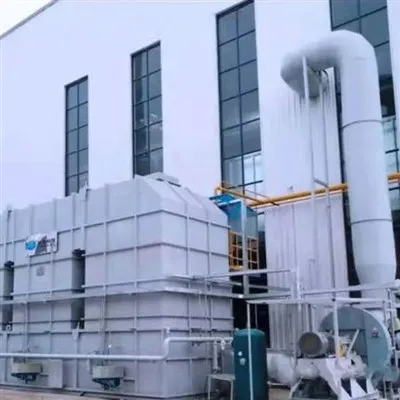
At the end of the day, every great perfume has a story, and part of that story is the distillation column that turned raw plants or lab chemicals into the perfect oil that makes the scent work. Without that column, you might have a nice-smelling liquid, but you won’t have a layered, memorable scent that people connect with. If you’re ready to take control of your oil production, improve your scent quality, cut costs, and experiment with new ideas, reach out to our team to talk through your needs. We don’t do one-size-fits-all, and we don’t sell equipment that doesn’t work for your specific perfume goals. Let’s build a column that helps your scents stand out.
PMMA Cracking Furnace References:
- Pybus, D. H., & Sell, C. S. (2002). The Chemistry of Fragrances (2nd ed.). Royal Society of Chemistry.
- Kaiser, R. (2008). Natural Perfumery: Techniques and Materials. North Atlantic Books.
- “Distillation in Essential Oil Production.” Journal of Chromatography A, vol. 1216, no. 18, 2009, pp. 3755-3765.
- Perfume World 2023 Global Industry Report: Raw Material Extraction and Sustainability. Fragrance Creators Association.
Wuxi Quansheng Industrial Equipment Co., Ltd.
As one of the most professional distillation column manufacturers and suppliers in China, we have world-leading production equipment and strong manufacturing capabilities. Welcome to buy high quality distillation column for sale here from our factory. For price consultation, contact us.
Address: No.10, Fulaiqiao Road, Hudai Town, Binhu District, Wuxi City, Jiangsu Province, China
E-mail: 397293586@qq.com
WebSite: https://www.pmmatech.com/
