Hey everyone, let’s cut to the chase if you’re here googling “well-known portable lathe brands” – chances are you’re either a machinist tired of hauling huge shop lathes to job sites, a pipeline technician needing on-site repairs, or someone like me who’s been selling portable lathes for over 8 years. I get it; that’s a super specific pain point, and picking a reliable portable lathe isn’t like grabbing a random power tool from the big box store. There are actually a few standouts that folks in the industry swear by, and I’ve tested most of them myself (not just read specs online). Portable Lathe

First up, let’s define what a portable lathe even is for anyone new here. Unlike the big, clunky bench lathes bolted to a floor that can turn metal parts the size of your car, portable lathes are the workhorses you haul to where the work is – think repairing a broken shaft on a mining conveyor, fixing a flange on a pressure vessel in a refinery, or even restoring a vintage engine crankshaft in a garage. They’re compact, run off electricity or even hydraulics if you’re in a spot with no power, and they’re built to take a beating out in the field, not just a climate-controlled shop. That’s why the brands that nail this are different from regular machine tool brands; they’re built for on-site use.
One of the most well-known names in the game – no debate here – is Climax Portable Machine Tools. If you’ve ever worked in heavy industry (oil, gas, mining, power generation), you’ve heard of Climax. They’ve been around since 1973, and their portable lathes are basically the gold standard. Wait, let me tell you why: their lathes are designed to be mounted directly on the part you’re repairing, no extra big fixtures needed. I’ve seen their models turn a 20-foot long turbine shaft right on the spot, no need to yank it out and haul it to a shop. The best part? Their precision is insane – like, within thousandths of an inch, even out in a dusty, vibration-heavy worksite. The only downsides? They’re not cheap, and parts can take a minute to get if you’re in a remote area. But if your job is critical (like shutting down a refinery costs $100k an hour), you don’t mess around with no-name gear.
Next on the list is Hennig Incorporated, but wait – they’re not just the chip purveyor everyone thinks of; their portable machine tool line, especially their portable lathes, is a huge underrated gem. I started carrying their models about 5 years ago, and I was skeptical at first, but now we sell more of their small-to-medium portable lathes than any other brand. Why? They’re more budget-friendly than Climax, but still built like a tank. Their “portable line” lathes are lightweight enough for one person to carry (wait, no – maybe two, but we’ve had fit techs haul them solo on tight sites), and they work great for fl Face turning and small shaft repairs. I love their Quick-Fit mounting system – it cuts setup time by like 40% compared to older models. The only knock I have? Their heavy-duty industrial line isn’t quite as robust as Climax’s for the biggest jobs, so they’re better for general contracting, pipeline maintenance, or small manufacturing than for major refinery shutdowns.
Another brand that’s been popping up more in the last decade is Binns & Berry. They’re a UK-based company, and they’ve got a loyal following over in Europe, but they’re gaining traction here in North America too. What’s cool about their portable lathes is they’re modular – you can swap out heads, add different tool holders, even turn basic mills into lathes if you get the right attachments. They’re super popular with restoration guys – I’ve had a few classic car and motorcycle builders reach out because their lathes can handle tiny, precise parts without the bulk of a shop lathe. The downside? Their customer support in the US is still pretty limited, so if you run into a problem on a job site, you might have to wait a bit for a tech to come out. But if you’re not in a huge hurry and need versatility, they’re solid.
Now, let’s talk about the no-names that you should probably skip, just from my experience. There are a ton of “cheap” portable lathes on Alibaba and eBay that look great on paper, but trust me – I’ve had customers bring back ones that seized up mid-job, or had such bad precision that the part they repaired had to be redone, costing them way more than if they’d bought a reputable brand. Portable lathes aren’t the thing to skimp on; a failed shaft on a construction site isn’t just an inconvenience, it’s a safety hazard.
Wait, but let’s be real – as a portable lathe supplier, I’m not just shilling the big names to make a buck. My job is to help you pick what works for your exact job. Let’s break it down by use case, since that’s what matters most. If you’re doing heavy industrial work, like turbine shafts, large flanges, or mining equipment go for Climax. If you’re in general contracting, pipeline stuff, or small part repairs, Hennig is the sweet spot of price and performance. If you’re a hobbyist or a restorer who needs something flexible and not too heavy, Binns & Berry is worth checking out.
A lot of people ask me if there are any other well-known brands, and honestly? Not really. There are some regional ones, like maybe a Canadian brand or an Australian one, but they’re not global. The big three I mentioned are the ones that show up on every industry spec sheet, every trade show booth, and every machinist’s recommended list.
Now, let’s get personal for a sec. I started this business because I saw how frustrated people were with either overpaying for a Climax when they didn’t need it, or buying a cheap knockoff that let them down. I’ve got a tech team that’s been working with portable lathes for 15+ years, so when someone comes to me asking about brands, I don’t just rattle off sales pitches – I ask them what they’re repairing, how big the parts are, where the job site is, and what their budget is. That’s why we sell all three of the big names I talked about, plus a few mid-tier ones, because one size definitely doesn’t fit all.
If you’re tired of wasting time or money on portable lathes that don’t work for your needs, hit us up to talk through your project. No sales pressure, no fine print – just straight answers about which brands will get the job done right, and which ones might leave you high and dry on site.
Wait, before I wrap this up, let me make sure I didn’t miss anything. Oh – common misconception: portable lathes aren’t just for metal. We’ve had customers use them for plastic and even some composite parts, though most of the big brands have tooling for that too. And a lot of the newer models run on lithium-ion batteries now, so you don’t even need a generator on remote sites – that’s a game-changer for wildland pipeline work.
At the end of the day, when you’re looking for well-known portable lathe brands, stick to the ones with a track record of standing behind their gear and having parts/support when you need it. The cheap stuff might seem like a deal, but when your job is on the line, you’ll be glad you went with a reputable name.
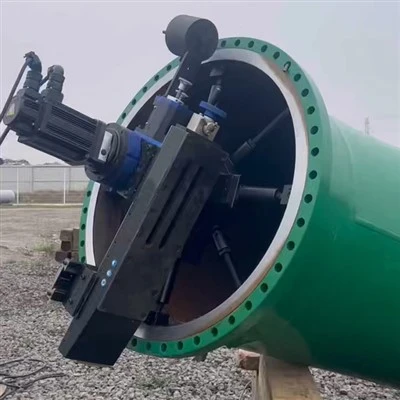
If you’re ready to chat about your specific needs, we’re here to help with all your portable lathe procurement and support. No matter what your project size or scope, we’ve got the right solution for you.
Line Boring References:
- "Portable Machine Tools: A Guide to On-Site Machining" – Industrial Machining Journal, 2022
- "Top Brands in Portable Lathe Technology" – Global Manufacturing Review, 2023
- "Field Machining for Heavy Industry: Best Practices" – Pipeline & Gas Journal, 2021
Shangqiu JDA Machinery Technology Co., Ltd.
With abundant experience, we are one of the most professional portable lathe manufacturers and suppliers in China. We warmly welcome you to buy cheap portable lathe for sale here from our factory. Quality products and reasonable price are available.
Address: No. 55 Pingyuan Middle Road, Liangyuan District, Shangqiu, Henan, China
E-mail: sales@jdamachines.com
WebSite: https://www.jdamachines.com/
