If you’ve ever shopped around for a stone polishing machine, you’ve probably noticed that not all brands are created equal. As a supplier who’s worked with these machines day in and day out for years, I can tell you there’s way more variation than just price tags slapped on a box. A lot of people new to the stone industry think a polisher is just a polisher—turn it on, run it over granite or marble, and you’re done. Nope, not even close. The brand you pick will make or break your project timeline, the finish quality you pull off, and how much money you sink into repairs and maintenance down the line. Let’s break down the real differences between the big names and the smaller specialized brands, straight from the shop floor. Stone Polishing Machine
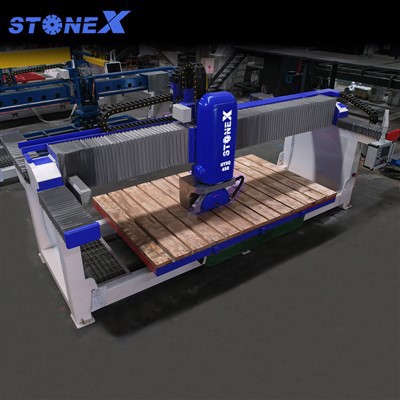
First off, let’s talk about core build quality, which is where most brands separate themselves from the pack. I’ve seen cheap “no-name” machines that feel like they’re held together with duct tape and hope, and I’ve used premium machines that still run smooth after 10 years of daily use. High-end brands typically use thick, industrial-grade steel for the frame and motor mounts, so there’s zero wobble when you’re polishing a 10-foot slab. Wobble is a killer—if your machine shakes, you’ll get uneven scratches, burn marks, or finish inconsistencies that mean you have to rework half the piece. Cheaper brands often cut corners here, using thin sheet metal that bends under pressure, or plastic motor housings that crack after a few months of heavy use. I once had a regular customer bring back a brand-new no-name polisher because the motor mount broke on its third job; he’d wasted two full days of work trying to salvage a bad slab.
Motor power and reliability is another huge factor, and this is where brands have some of their biggest gaps. Entry-level or budget brands usually use fractional horsepower (HP) motors, designed for light, occasional use in a home workshop. If you’re polishing stone for commercial projects, that 1HP motor will overheat in 20 minutes, and you’ll be staring at a dead machine mid-job. Mid-range and premium brands step up to 2HP to 5HP motors, depending on the machine type, with thermal overload protection that shuts the motor down safely before it burns out. But it’s not just about power— it’s about how that power is delivered. Premium brands use variable speed drives (VSD) that let you adjust RPM on the fly, from 500 RPM for rough grinding up to 3,000 RPM for fine polishing. A lot of cheaper brands only have a few fixed speed settings, so you’re stuck either going too slow to get the job done or too fast and ruining the stone. I’ve tested this myself: a $500 no-name polisher’s fixed high speed will scratch soft marble, while a $1,800 mid-range machine’s adjustable speed lets you dial it in perfectly for each stone type.
Next, let’s get into the features that actually matter for on-the-job work, not just marketing bullet points. Dust management is a huge one—stone polishing generates silica dust, which is a nightmare for air quality and your long-term health. Top-tier brands invest in integrated, high-flow dust extraction systems that connect straight to a shop vac or dust collector, so you barely get any dust in the air. Cheaper brands often only have a tiny, flimsy dust port that barely sucks up anything, so you’re wearing a respirator for every job and cleaning dust out of your machine every night. Another key feature is handle or control design. For handheld polisher models, ergonomics make or break how long you can work without getting injured. Premium brands build handles with non-slip grips, balanced weight distribution, and easy-to-reach speed dials. Budget brands stick with generic, clunky handles that twist your wrist after an hour of use. For walk-behind or automatic polishers, things like steering sensitivity, floor clearance, and the ability to adjust pressure across the whole pad are night and day between brands. I once used a generic walk-behind polisher that would veer left no matter how straight I steered, meaning I had to constantly correct it, while a well-known brand’s model I use now stays perfectly on track, even over uneven stone edges.
Wait, and we can’t skip pad compatibility and after-sales support—two things a lot of buyers sleep on. Some brands design their machines to only work with their own brand of polishing pads, which are often way more expensive than generic pads. That’s a hidden cost that adds up fast. Other brands are universal, so you can pick up any brand of pad that fits, saving you money on supplies. The big one here is after-sales support. If a part breaks, how fast can you get a replacement? Premium brands have local distributors and parts warehouses in most regions, so a motor or a brush will show up at your shop in 2 days. No-name brands? You’ll be waiting 2 weeks for a part shipped from overseas, or worse, the part doesn’t exist because the company folded. I’ve had a customer who bought a super cheap polisher from a brand that went under a year later; when the motor burned out, he couldn’t get a replacement, and the whole machine was garbage. That’s a $1,500 machine he threw away for no reason.
Now, let’s talk about specialized vs. general-purpose brands, because that’s another big difference most people don’t notice. Some brands only make machines for specific stone types—like granite, or engineered quartz, or natural marble. These brands engineer every part of their machine to work perfectly for that material, so you get a flawless finish every time. General-purpose brands make machines that claim to work for every stone, but they end up being mediocre at all of them. For example, a brand that focuses on marble will have slower RPM ranges, softer pad pressure, and dust systems tuned for the finer dust marble produces, while a granite specialist will have higher power to handle granite’s dense, abrasive surface. I’ve seen general-purpose machines leave dull, patchy finishes on granite because they don’t have the motor power to cut through the stone’s hardness, while a specialized granite polisher will get that mirror finish in half the time.
Don’t sleep on build consistency either—this is the difference between a good machine and a machine that works one day and breaks the next. Top brands test every single unit that comes off the assembly line, checking for motor balance, frame tightness, and dust flow before it leaves the factory. Smaller or no-name brands often do minimal testing, so you might get a machine that runs smooth out of the box, but the next one off the line has a wobbly shaft that ruins your work. I learned this the hard way last year when a customer sent back three of the same entry-level polisher from a budget brand, each with a different issue: one had a bad motor, one had a misaligned handle, and the third leaked oil all over the job site. Top brands have quality control processes that eliminate that kind of variation, so you never have to worry about getting a dud.
Price is obviously a factor, but here’s the thing: the cheapest machine isn’t always the best deal. A $500 no-name polisher might seem like a steal, but if it breaks after 3 jobs, and you have to spend $200 on repairs, plus the cost of reworking the slab you ruined, you’re actually out more than if you’d bought a $1,200 mid-range machine that lasts 5 years. I’ve seen so many small stone contractors burn out on cheap machines because they don’t factor in downtime and repair costs. Premium machines have higher upfront costs, but they last longer, require less maintenance, and get the job done right the first time, saving you money in the long run.
So, who should buy which brand? If you’re a hobbyist working on small, occasional projects at home, a budget entry-level brand might work for you—just make sure you pick one with decent motor reliability, not just the cheapest thing on Amazon. If you’re a small to medium stone shop doing residential jobs and occasional light commercial work, mid-range specialized brands are probably your sweet spot—they’re powerful enough for most jobs, have good features, and won’t break the bank. If you’re a large operation doing big commercial projects every day, go with a premium industrial brand. They’re built for 8+ hour days, have the best support, and will give you the consistent quality you need to keep clients happy.
At the end of the day, the brand of your stone polishing machine isn’t just a label on the side—it’s an investment in your work, your time, and your bottom line. I’ve seen guys make a living with mid-range machines, and I’ve seen huge shops rely on top-tier models, but the worst mistake is buying something just because it’s cheap or because your buddy recommended it without doing the research.
If you’re trying to figure out which machine is right for your specific projects, or you want to compare specs, reliability, and after-sales support, I’m here to help. As a supplier who works with all these different brands, I can walk you through the pros and cons of each, based on what you actually need to get done, no sales pitches or hidden agendas. Just reach out to chat—we can talk through your job size, the stone types you work with, and your budget, and I’ll point you toward the best option for you. We can also offer flexible pricing for bulk orders and extended support to make sure your machine runs smooth for years.
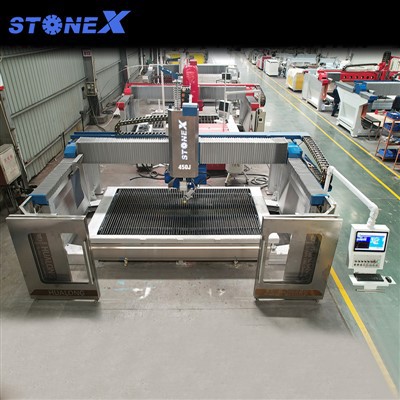
Now, when you’re comparing brands, there are a few key things to always check: ask for third-party reliability data, not just the brand’s own marketing, test the machine in person if you can, and make sure you know how easy parts are to get and how long support takes. Don’t fall for flashy features that don’t actually matter—like a fancy touchscreen that breaks after 6 months, when all you need is a simple speed dial. And always, always factor in total cost of ownership, not just the upfront price.
Block Cutting Machine References
- Marble Institute of America. (2022). Stone Processing Equipment Guide. National Association of Architectural Stone Contractors.
- Industrial Machinery Association. (2023). Motor and Build Quality in Stone Polishing Equipment. Global Stone and Mineral Processing Journal.
- Occupational Safety and Health Administration. (2021). Silica Dust Control for Stone Working Machinery. U.S. Department of Labor.
- Small Business Administration. (2022). Cost of Ownership for Commercial Construction Equipment. U.S. Small Business Administration Office of Advocacy.
Nantong Huayi Intelligent Equipment Co., Ltd.
Address: Dongsheng Stone Industry Park, Changjiang Town, Rugao City, Jiangsu Province, China
E-mail: claire@hualongm.com
WebSite: https://www.hystonemachinery.com/
