Hey there, foodies and health enthusiasts! I’m a supplier of spirulina powder, and I often get asked if it’s okay to use spirulina powder in soups. Well, let’s dive right into this topic and find out! Spirulina Powder
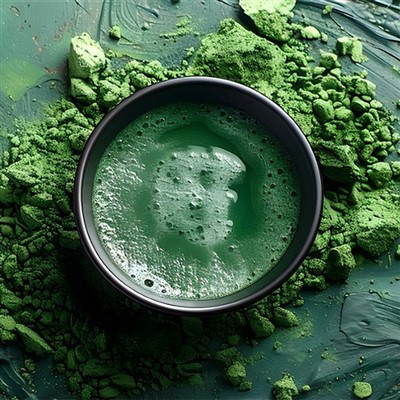
First off, what the heck is spirulina powder? Spirulina is a type of blue – green algae that’s been around for ages. It’s like a little nutritional powerhouse. High in protein, vitamins, minerals, and antioxidants, it’s no wonder people are all over it these days. You can think of it as nature’s multivitamin, all wrapped up in a fine green powder.
Now, back to the main question: can you use spirulina powder in soups? The simple answer is yes! There are plenty of good reasons to sprinkle some spirulina into your soup pots.
One of the biggest perks is the nutritional boost. Soups are usually a great way to load up on veggies and fluids, but by adding spirulina powder, you’re supercharging it. For example, a single tablespoon of spirulina can provide around 4 grams of protein. That’s awesome if you’re on a vegetarian or vegan diet and looking to amp up your protein intake. And let’s not forget about the iron and vitamin B – 12. Iron is crucial for carrying oxygen throughout your body, and B – 12 is important for nerve function and DNA synthesis. Most people don’t get enough of these nutrients, and a little spirulina powder in your soup can help bridge that gap.
Another cool thing about using spirulina powder in soups is the taste. Okay, I know spirulina has a bit of a unique flavor. It’s earthy, and some people might say it has a slightly "seafoody" undertone. But when it’s mixed into a soup, it can actually blend in quite well. In fact, it can add a depth of flavor that you might not have expected. If you have a vegetable soup, for instance, the spirulina can complement the natural flavors of the carrots, celery, and onions. It’s like adding a secret ingredient that takes your soup from okay to spectacular.
But how do you actually use spirulina powder in soups? It’s pretty easy. You can add it at different stages of the soup – making process. If you’re making a slow – cooked soup, you can toss in a teaspoon or two right at the beginning. This way, the flavor has plenty of time to meld with the other ingredients. And if you want to keep the nutritional value intact, you can add it towards the end, just before serving. That way, you avoid exposing it to high heat for too long, which could potentially reduce some of its beneficial properties.
Let’s talk about some popular soup types that go well with spirulina powder.
Creamy vegetable soups are a match made in heaven. Think of a rich, velvety butternut squash soup. The smoothness of the soup provides a great base for the spirulina. You can start by making your regular butternut squash soup recipe. Roast the butternut squash, blend it with some onions, garlic, and a bit of cream or milk substitute. Then, just stir in a tablespoon of spirulina powder. The result is a vibrant green soup that looks as good as it tastes. The earthy flavor of the spirulina works perfectly with the sweet and savory notes of the butternut squash.
Tomato – based soups are another great option. Whether it’s a classic tomato bisque or a spicy tomato and lentil soup, spirulina can add an extra zing. Tomatoes are already rich in vitamins and antioxidants, and when you combine them with spirulina, you’ve got a double – whammy of nutrition. In a tomato bisque, the spirulina can give it a more complex flavor profile. You can add it after you’ve pureed the tomatoes and other ingredients, and then let it simmer for a few more minutes to let the flavors come together.
Now, I know some of you might be worried about the color. Spirulina powder is a bright green, and you might be thinking it’ll turn your soup into some kind of neon concoction. But actually, it depends on how much you add. If you use a small amount, like a teaspoon, it’ll just give your soup a nice, natural green tint. It can make your soup look even more appetizing, like it’s packed with fresh greens. And if you’re not a fan of the bright color, you can try using a smaller amount or mixing it with other ingredients that might tone down the color a bit.
There are also some things to keep in mind when using spirulina powder in soups. First of all, quality matters. As a supplier, I know that not all spirulina powders are created equal. You want to make sure you’re getting a high – quality product that’s free from contaminants. Look for a powder that’s been tested for heavy metals, pesticides, and other impurities. I always recommend getting your spirulina from a reputable source to ensure you’re getting the best possible product.
Also, start with a small amount. If you’re new to using spirulina, adding too much at once might be overwhelming. You can always add more later if you like the taste and the effects. And don’t be afraid to experiment with different soups and flavor combinations. You might discover a new favorite soup recipe that you never would have thought of without the addition of spirulina powder.
In conclusion, using spirulina powder in soups is a fantastic idea. It’s a simple way to add a ton of nutrition, a unique flavor, and a pop of color to your favorite soups. Whether you’re a health nut or just someone who loves to experiment in the kitchen, I highly recommend giving it a try.
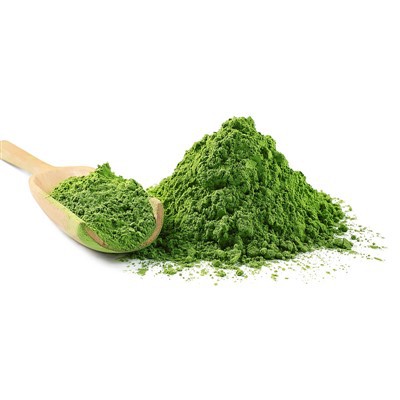
If you’re interested in purchasing spirulina powder for your soups or other culinary adventures, I’d love to talk to you. Drop me a line and we can discuss your needs. I can offer you high – quality spirulina powder that will take your soups to the next level.
Spirulina References:
- "Spirulina: Nutritional Value, Health Benefits, and Potential Risks" – Journal of Medicinal Food
- "The Blue – Green Algae Diet" – Various nutrition studies on spirulina
Dongtai City Spirulina Bio-Engineering Co., Ltd.
As one of the most experienced spirulina powder manufacturers and suppliers in China, we offer a wide range of products with superior quality. Please feel free to buy bulk spirulina powder made in China here from our factory. Good service and reasonable price are available.
Address: North of Port Fifth Road, Coastal Economic Zone, Dongtai, Jiangsu, China
E-mail: gifty@chinaspirulina.com
WebSite: https://www.chinaspirulina.com/
