Hey there! As a supplier of endoscopic systems, I often get asked about the differences between endoscopic ultrasound (EUS) and traditional endoscopic systems. So, I thought I’d take a few minutes to break it down for you in a way that’s easy to understand. Endoscopic System
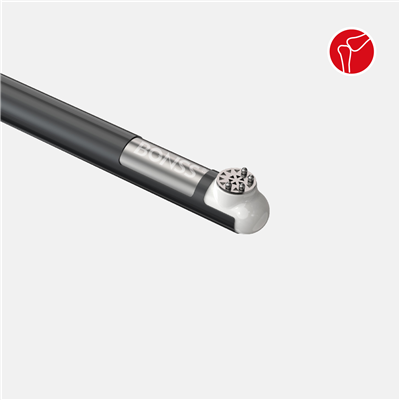
Let’s start with the basics. Traditional endoscopic systems are pretty well-known in the medical world. They’ve been around for a long time. The main deal with a traditional endoscope is that it allows doctors to take a look inside the body through natural orifices like the mouth or anus. It’s got a camera at the end, which sends images back to a monitor, so the doc can see the lining of organs such as the esophagus, stomach, and intestines. This is super useful for diagnosing things like ulcers, polyps, and early signs of cancer just by getting a visual.
On the flip side, endoscopic ultrasound is a bit more high – tech. An EUS scope, in addition to having a camera like a traditional endoscope, is also equipped with an ultrasound transducer. This transducer sends out sound waves that bounce off tissues and organs inside the body. The echoes are then used to create detailed images of the structures beneath the surface that you can’t see with just the camera.
One of the biggest differences between the two is the depth of information they can provide. Traditional endoscopes are great for looking at the surface of organs. They can show you if there are any visible abnormalities on the mucosal layer, like a red patch that might be a sign of inflammation or a small growth that could be a polyp. But when it comes to what’s going on deeper, like the layers beneath the mucosa or nearby lymph nodes, they’re kind of limited.
EUS, however, can peer into those deeper layers. It can help doctors figure out how far a tumor has invaded the wall of an organ. For example, if there’s a cancer in the stomach, a traditional endoscope might show the tumor on the surface, but EUS can tell if it’s just in the inner layer or if it’s spread to the outer layers of the stomach wall. It can also detect enlarged lymph nodes around the organ, which is crucial for staging cancer. Knowing the stage of cancer helps doctors decide the best treatment plan, whether it’s surgery, chemotherapy, or radiation.
Another difference is in the types of procedures they’re used for. Traditional endoscopes are often used for routine screening and simple diagnostic procedures. Colonoscopies are a prime example. During a colonoscopy, a traditional endoscope is inserted through the rectum to examine the colon for polyps or other signs of disease. It can also be used for some minor therapeutic procedures, like removing small polyps or taking biopsies of visible lesions.
EUS, on the other hand, is more commonly used for more complex diagnostic and therapeutic procedures. It’s often used when doctors need to get more detailed information about a particular area. For example, if a patient has pancreatitis, EUS can be used to look at the pancreas and see if there are any blockages in the pancreatic ducts or if there are any masses. It can also be used for fine – needle aspiration (FNA). In an EUS – FNA procedure, a thin needle is passed through the endoscope and into a target area, like a suspicious lymph node or a mass. Cells can then be extracted and sent to the lab for testing, which helps in making a definitive diagnosis.
In terms of patient experience, there are some differences too. A traditional endoscopic procedure is usually less invasive and quicker, especially for screening purposes. For most people, having a traditional endoscopy like an upper endoscopy or colonoscopy is a pretty routine thing. Sure, there might be a bit of discomfort or a feeling of bloating during and after the procedure, but it’s usually not too bad, especially when the patient is sedated.
An EUS procedure, however, is generally more involved. It takes longer because the doctor has to take time to get detailed ultrasound images and may perform a FNA if needed. Patients may need more sedation for an EUS because the scope needs to be manipulated more precisely. There’s also a slightly higher risk of complications compared to a traditional endoscopic procedure, although the risks are still relatively low.
Now, let’s talk about the technology behind these two systems. Traditional endoscopic systems have come a long way in terms of image quality. Modern traditional endoscopes have high – definition cameras that can provide really clear pictures of the inside of the body. They also have features like zoom and different lighting options to help doctors get a better view.
EUS systems, in addition to the imaging capabilities of a traditional endoscope, need to handle the ultrasound data too. This means more advanced software to process the ultrasound signals and create clear and accurate images. The ultrasound transducers need to be carefully calibrated to work well in the confined space of the endoscope.
As a supplier of endoscopic systems, I understand that choosing between an EUS system and a traditional endoscopic system is a big decision for a medical facility. It depends on a few factors. First of all, the volume of patients and the types of cases the facility sees are important. If a hospital or clinic primarily deals with routine screening and simple diagnostic cases, a traditional endoscopic system might be sufficient for most of their needs. It’s also more cost – effective in terms of the initial purchase and maintenance.
But if a facility deals with more complex cases, especially those involving cancer staging or deep – seated organ problems, then an EUS system is a must – have. It can provide the detailed information that is crucial for making accurate diagnoses and treatment plans. However, it’s important to note that an EUS system is more expensive, not just in terms of the initial purchase but also in terms of the training required for the staff to use it effectively.
If you’re in charge of equipping a medical facility and you’re trying to decide which type of endoscopic system to go for, or if you’re just looking to upgrade your existing equipment, I’d love to have a chat with you. Our team has years of experience in the industry and can help you figure out what’s best for your specific needs. Whether you’re interested in a traditional endoscopic system for routine work or an advanced EUS system for more complex cases, we’ve got you covered.
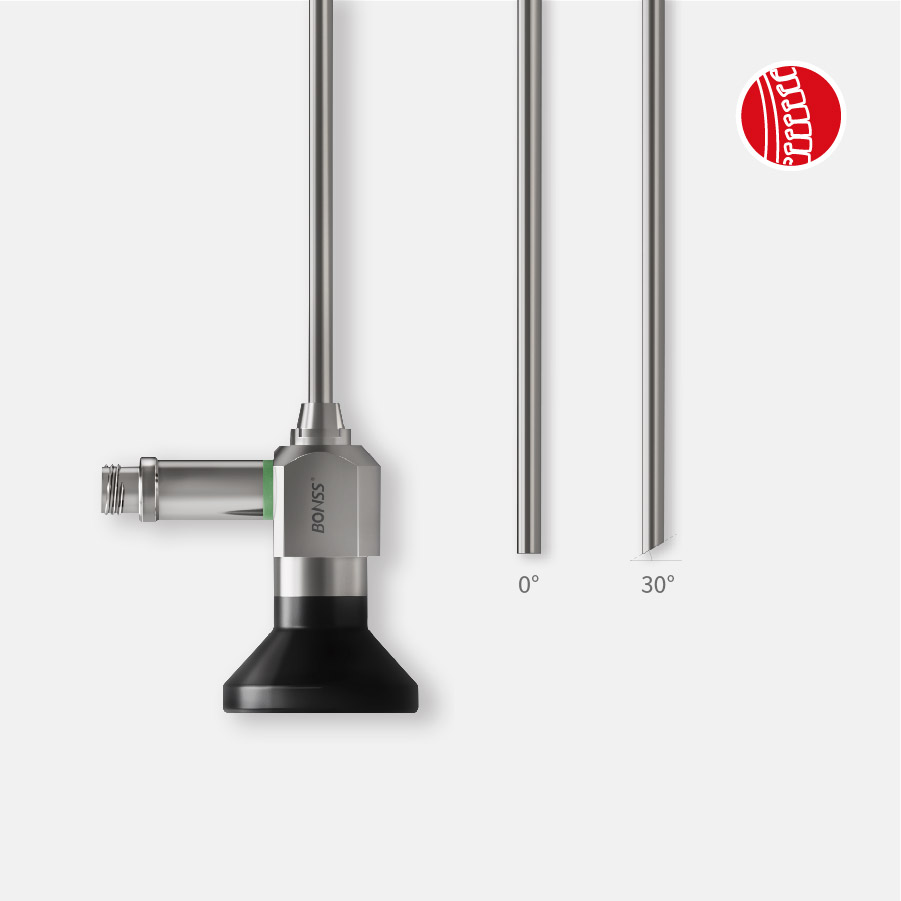
So, don’t hesitate to reach out to us for a consultation. We can provide you with all the information you need, including pricing, training options, and after – sales support. Let’s work together to make sure your medical facility has the best endoscopic equipment to provide top – notch care for your patients.
Endoscopic System References
- "Textbook of Gastrointestinal Endoscopy"
- "Endoscopic Ultrasound: Principles and Practice"
- Journal articles on endoscopic technology advancements in medical journals such as "Gastrointestinal Endoscopy"
Jiangsu Bonss Medical Technology Co., Ltd.
As one of the most professional endoscopic system manufacturers and suppliers in China, we’re featured by quality products and good price. Please rest assured to buy bulk endoscopic system for sale here from our factory. Customized orders are welcome.
Address: Building #7,No.898,China Medical City Avenue, Haling District, Taizhou City.Jiangsu P.R. China
E-mail: inquiry@plasma-surgical.com
WebSite: https://www.bonssmedical.com/
