As a well – established supplier of custom turned parts, I often receive inquiries from clients regarding the possibility of adding specific markings to these parts. This is a crucial question as markings can serve multiple functions, from identification and traceability to branding and regulatory compliance. In this blog, I’ll delve into the details of whether custom turned parts can be made with specific markings and the various aspects related to it. Custom Turned Parts
Understanding Custom Turned Parts
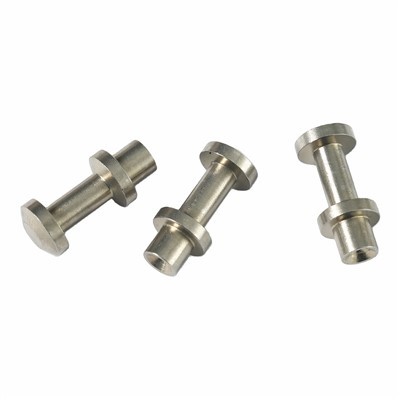
Before we discuss markings, it’s essential to understand what custom turned parts are. Custom turned parts are components that are manufactured through a machining process known as turning. In turning, a workpiece is rotated while a cutting tool is fed into it to remove material and create the desired shape. This process is highly versatile and can produce a wide range of parts with different sizes, geometries, and materials, such as metals (aluminum, steel, brass) and plastics.
Reasons for Specific Markings on Custom Turned Parts
There are several compelling reasons why customers might request specific markings on custom turned parts:
- Identification and Traceability: Markings can include part numbers, serial numbers, batch codes, or production dates. These details are invaluable for inventory management, quality control, and after – sales service. For example, if a part fails in the field, the serial number can help trace back to the production batch, allowing for quick identification of potential manufacturing issues.
- Branding: Companies often want to mark their logo or brand name on the parts they produce. This serves as a form of advertising and also adds a level of professionalism and authenticity to the product. When customers see a well – marked part with a recognizable brand, it instills confidence in the quality of the product.
- Regulatory Compliance: In some industries, such as aerospace and medical, parts must be marked with specific information to comply with regulatory requirements. This could include safety warnings, material specifications, or compliance standards. Failure to meet these marking requirements can result in legal issues and product recalls.
Methods of Applying Specific Markings
There are several methods available for applying specific markings to custom turned parts, each with its own advantages and limitations:
- Laser Marking: Laser marking is one of the most popular methods for marking custom turned parts. It uses a high – energy laser beam to create a permanent mark on the surface of the part. Laser marking is non – contact, which means it doesn’t cause any mechanical stress or damage to the part. It can produce high – resolution, precise markings, and is suitable for a wide range of materials, including metals and plastics. The process is also fast and can be easily automated, making it ideal for high – volume production.
- Etching: Etching involves using a chemical or electrochemical process to remove a thin layer of material from the surface of the part, creating a visible mark. Chemical etching is often used for marking metals, while electrochemical etching can be used for both metals and some conductive plastics. Etching can produce deep and durable marks, but it requires careful control of the etching parameters to ensure consistent results.
- Stamping: Stamping is a mechanical marking method that uses a die or punch to imprint a mark onto the surface of the part. This method is suitable for creating relatively large and deep markings, such as logos or part numbers. Stamping is a cost – effective option for high – volume production, but it may not be suitable for very small or delicate parts, as it can cause some deformation or damage to the part.
- Inkjet Printing: Inkjet printing is a non – contact marking method that uses ink to print markings onto the surface of the part. It is suitable for marking parts with variable data, such as serial numbers or barcodes. Inkjet printing is relatively fast and can be easily integrated into the production line. However, the durability of inkjet – printed markings may be a concern, especially in harsh environments.
Factors to Consider When Marking Custom Turned Parts
When deciding to add specific markings to custom turned parts, several factors need to be considered:
- Material Compatibility: Different marking methods are suitable for different materials. For example, laser marking works well on most metals and plastics, but some materials may require special settings or pre – treatments. Etching is commonly used for metals, but it may not be suitable for some plastics. It’s important to choose a marking method that is compatible with the material of the part to ensure a high – quality and durable mark.
- Marking Location and Size: The location and size of the marking on the part are also important considerations. The marking should not interfere with the functionality of the part or its mating surfaces. It should also be large enough to be easily readable but small enough not to affect the aesthetics or structural integrity of the part.
- Production Volume: The production volume can influence the choice of marking method. For low – volume production, a more flexible and less capital – intensive method, such as inkjet printing or laser marking, may be preferred. For high – volume production, methods like stamping or automated laser marking may be more cost – effective.
- Environmental Conditions: If the custom turned parts will be used in harsh environmental conditions, the durability of the marking becomes crucial. For example, parts used in outdoor or high – humidity environments may require a more resistant marking method, such as laser marking or etching, to ensure that the marking remains legible over time.
Our Capabilities as a Custom Turned Parts Supplier
As a supplier of custom turned parts, we have the expertise and equipment to add specific markings to our parts. We offer a range of marking options, including laser marking, etching, and stamping, to meet the diverse needs of our customers. Our team of experienced engineers can work closely with you to determine the most suitable marking method based on your part’s material, design, and application requirements.
We understand the importance of quality and precision in marking custom turned parts. That’s why we use state – of – the – art equipment and strict quality control processes to ensure that every marked part meets your exact specifications. Whether you need a simple part number or a complex logo, we can provide high – quality markings that are clear, durable, and aesthetically pleasing.
Conclusion
In conclusion, custom turned parts can definitely be made with specific markings. There are multiple methods available for applying these markings, each with its own pros and cons. As a custom turned parts supplier, we are well – equipped to handle all your marking needs. We can help you choose the most appropriate marking method based on your specific requirements and ensure that the markings on your parts are of the highest quality.
Stainless Steel Turned Parts If you are in need of custom turned parts with specific markings, we would be delighted to discuss your project with you. Our team of experts can provide you with detailed information, samples, and a competitive quote. Contact us today to start the conversation and take your custom turned parts project to the next level.
References
- "Manufacturing Engineering Handbook", Edited by Myer Kutz, John Wiley & Sons.
- "Modern Manufacturing Processes", Author: John B.Bryant, McGraw – Hill.
- Technical papers on precision machining and part marking from industry – leading research institutions.
Huizhou Quanyi Precision Hardware Products Co., Ltd.
Address: Building A10, 7th Floor, Zhongchuangyingke 5G Industrial Park, Zhonghan Industrial Park, Tonghu Town, Huizhou City
E-mail: info@qycncturning.com
WebSite: https://www.qycncturning.com/
